

Note: This schedule updates in real-time as changes are made.
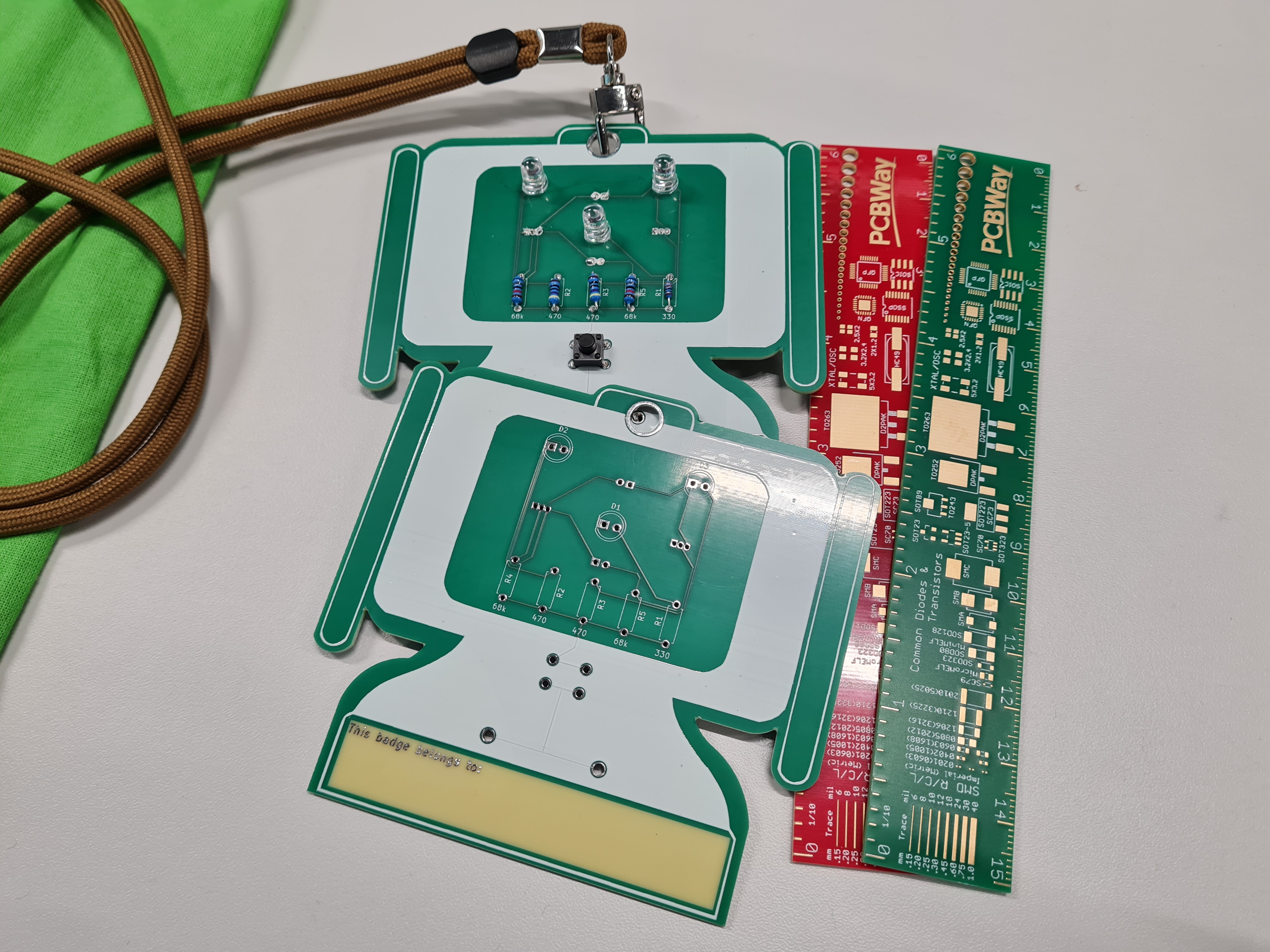
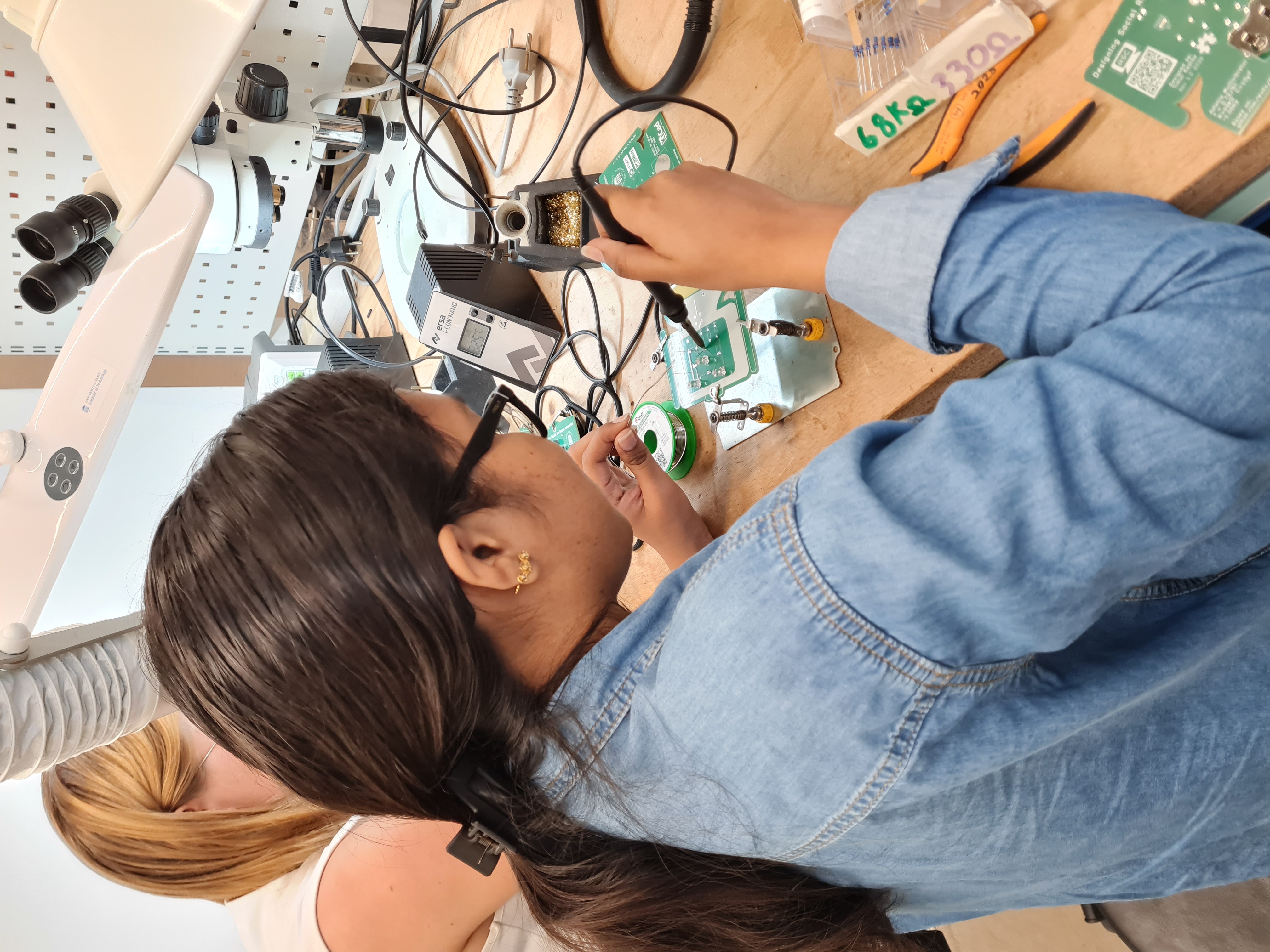
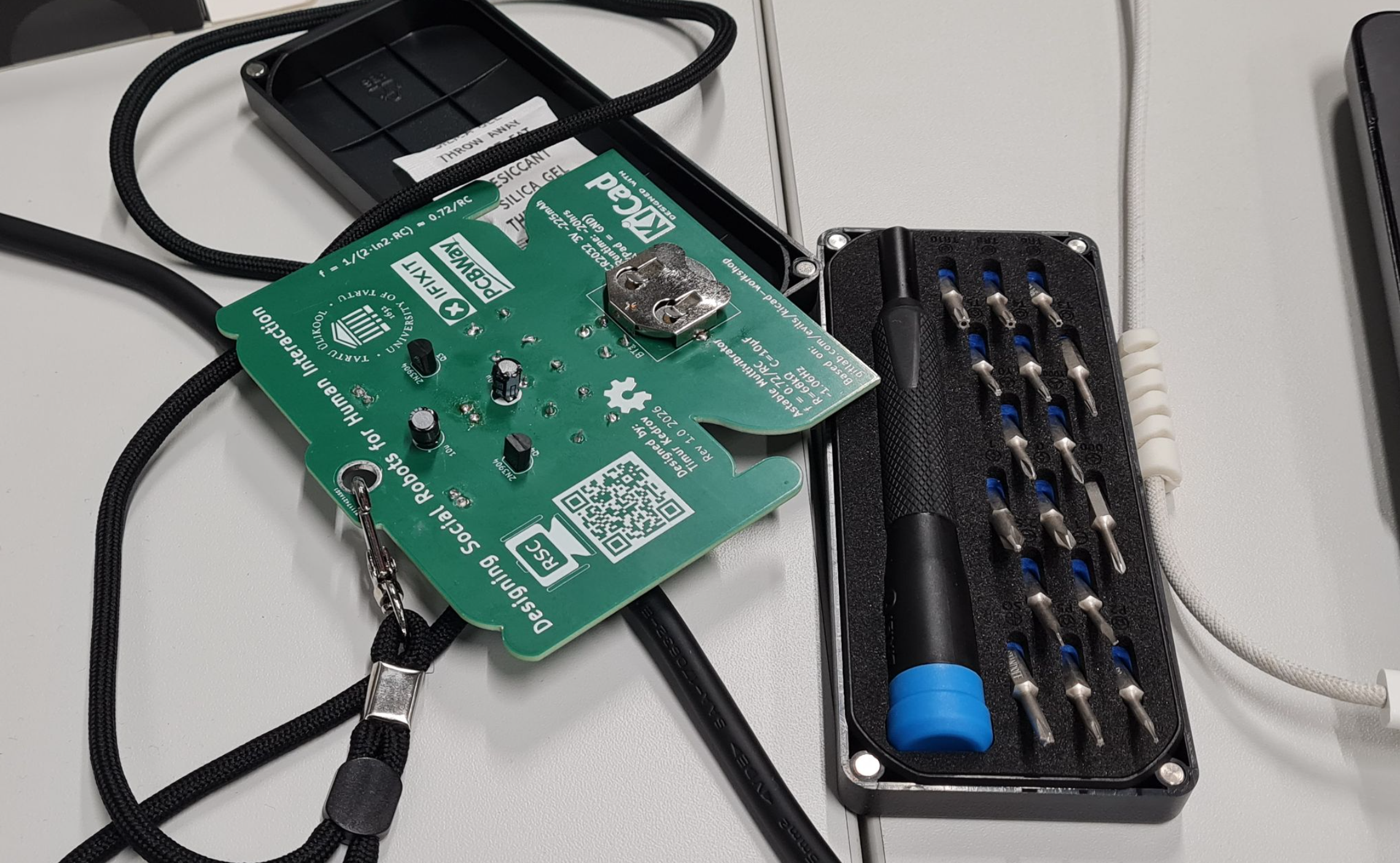
As part of the course, participants solder and assemble a custom PCB lanyard badge. Use the interactive Bill of Materials (iBOM) to identify components and track your build progress.
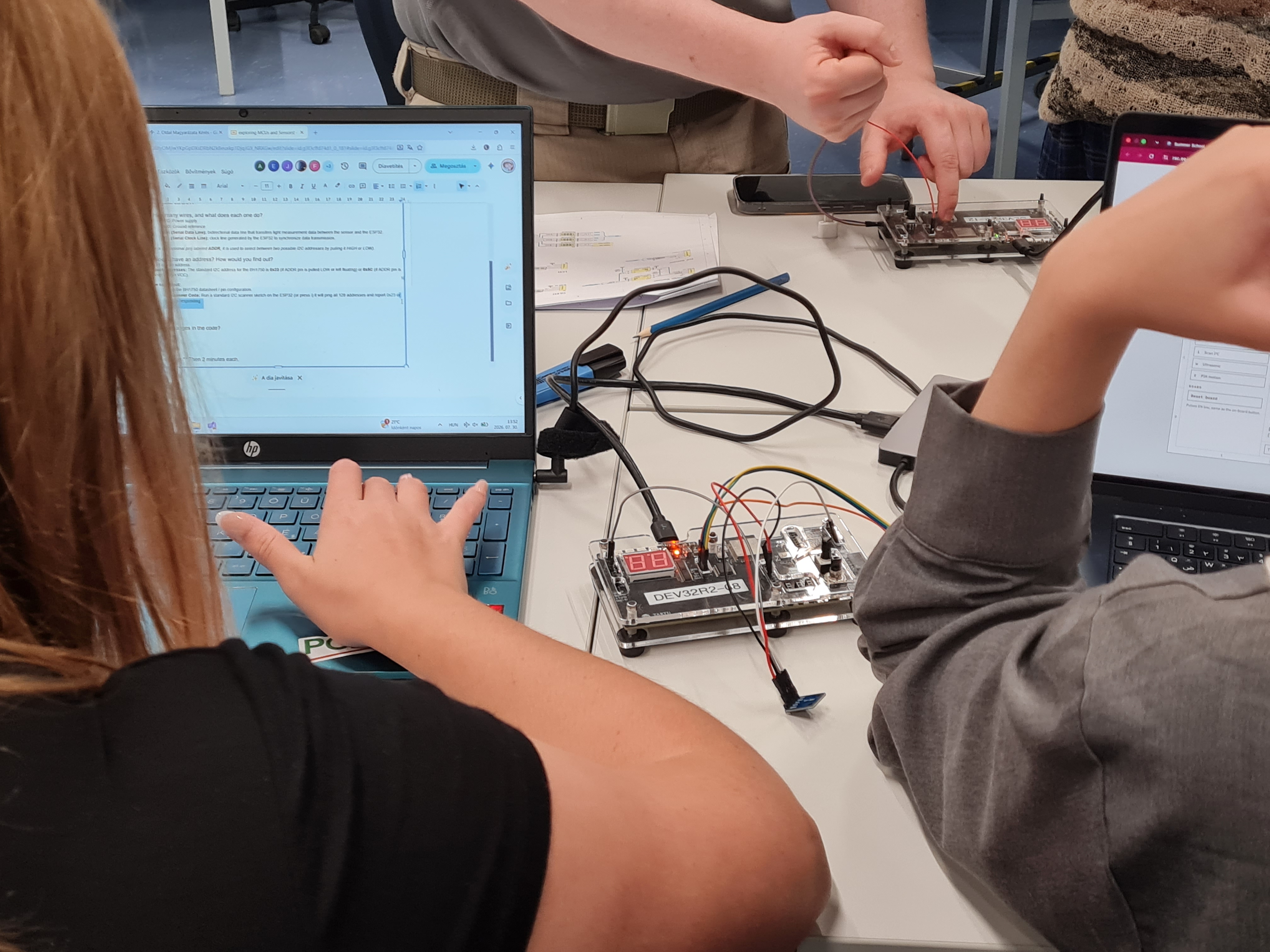
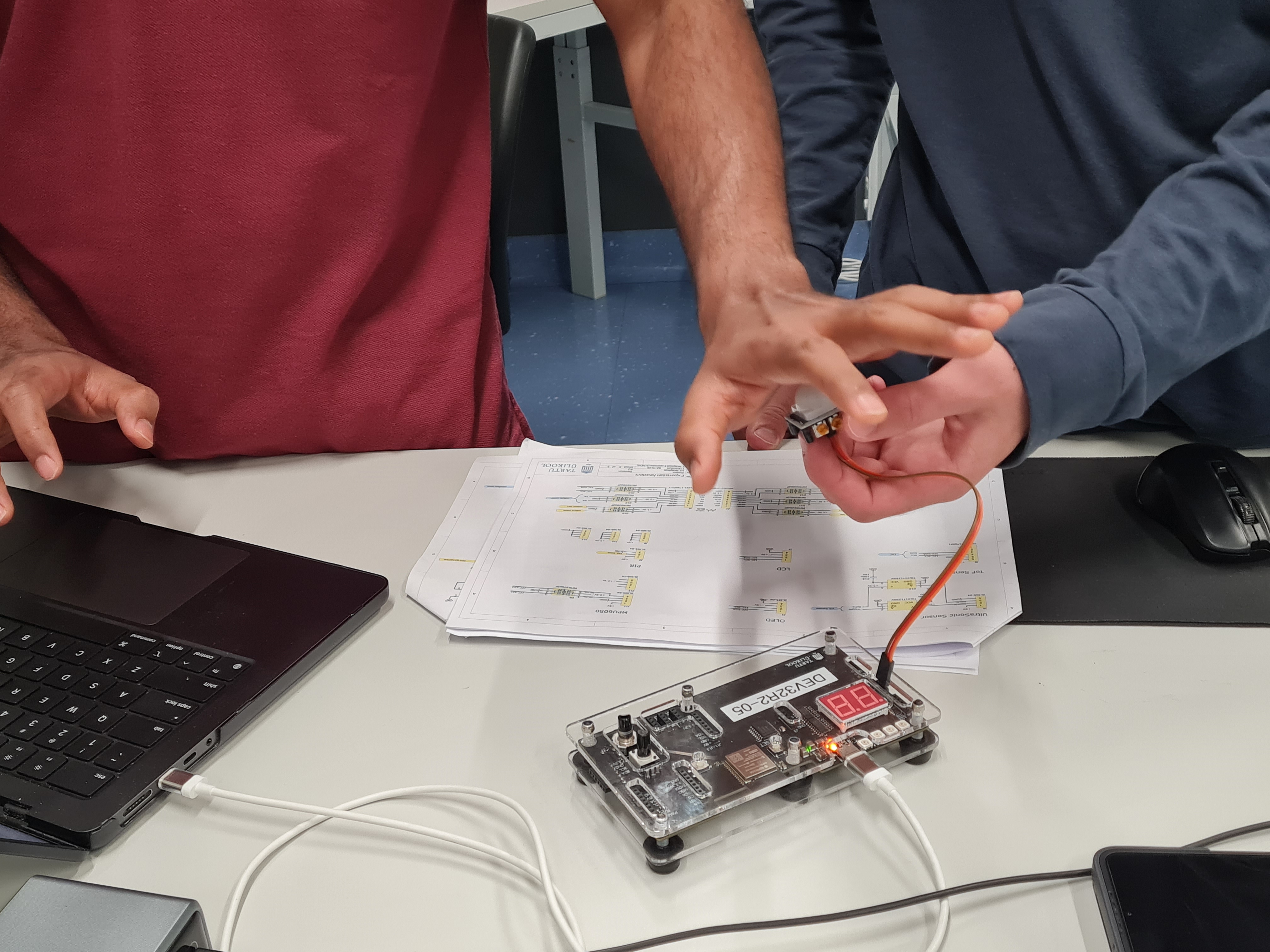
Talk to your dev board straight from the browser — no drivers, no installs. Plug in over USB-C, press Connect, then run the self test, scan the I²C bus, or read the knobs and sensors.
brave://flags/#brave-web-serial-api.
Keep these open while you work — the schematic answers most questions faster than asking does.
KiCad handout by evils, from gitlab.com/evils/kicad-workshop — licensed CERN-OHL-W v2. Redistributed with thanks.
↗ PCB source filesDesign files open in KiCad (free). The interactive BOM above works in any browser.

Project lead of the open Robot Study Companion (RSC) for multimodal human-robot interaction.

Specializes in IoT integration, embedded AI and robotics engineering. RSC lead developer.
HRI Experimentation & Course Management
Hardware & Electronics Prototyping
Prototyping Help
Karl specialises in human-centered robotics, with particular focus on human-robot collaboration, multi-robot coordination, and open-source hardware development. His research bridges the gap between autonomous systems and human operators, exploring how these technologies can complement rather than replace human capabilities.
Eléni approaches knowledge production through the design of ultimate physical particulars for tangible, embodied interaction, grounded in critical or participatory design ethos. Her expertise lies in crafting shape-changing and other interactive interfaces for Human-Building Interaction, HRI, and e-textiles applications.
Focuses on Assistive Technologies through project PetBot - a social assistive robot for older adults with a focus on integration with Smart Home IoT. PetBot helps users with everyday life by keeping a daily routine, providing recommendations and answers, and preventing various risks in the household. He founded the university start-up Smart Aging to support the project further.
Asad works in the Health Informatics Group with background spanning both academia and industry. He holds a PhD in Artificial Intelligence (computer vision) from the University of Udine, Italy, and worked as an AI Scientist at Silo AI in Finland. He also completed a postdoctoral position in Germany focusing on generative AI.
Robotics researcher specializing in decision-making models, social intelligence, autonomous driving and human-robot interaction. She earned her PhD from the University of Leeds and was named an RSS Pioneer in 2022. Her work focuses on non-verbal proxemics, autonomous systems, and digital twins for human-AI co-existence.
Postdoctoral researcher at the Italian Institute of Technology in the COgNiTive Architecture for Collaborative Technologies (CONTACT) unit, with a PhD from the University of Genoa. His research focuses on cognitive architectures for human-in-the-loop robot perception, learning, and interaction. He has contributed to EU projects VOJEXT, APRIL, and TERAIS, with visiting research roles in the UK, Canada, and Germany.
sid is an artist, maker and freelance journalist based in KW, ON. They have a deep passion for zines and run the Hamilton Zine Machine as well as KW Zinetopia. They are one of four studiomates running Dirty Work Studio, a multi-use arts space and small scale risograph printer. They have written for This Magazine, Shameless Magazine, Xtra Magazine and CBC. They currently co-chair the Digital Naturalism Conference and work as the Community Manager & Fellowship Chair for the Open Source Hardware Association. You can find them being annoying online on nearly every platform as @cyborggarbage.
Dr. Maša Jazbec works at the intersection of robotics, AI, HRI, and neurotechnology. During her doctoral studies in Japan, she was a research fellow in the laboratory of Professor Hiroshi Ishiguro, a world leader in humanoid robotics. She now leads the Katapult Robotics Lab in Slovenia, where she develops interactive robotic systems and educational experiences that make emerging technologies accessible to diverse audiences. Her work combines artistic practice with applied research, focusing on designing engaging human–robot interaction demonstrations in various environments.
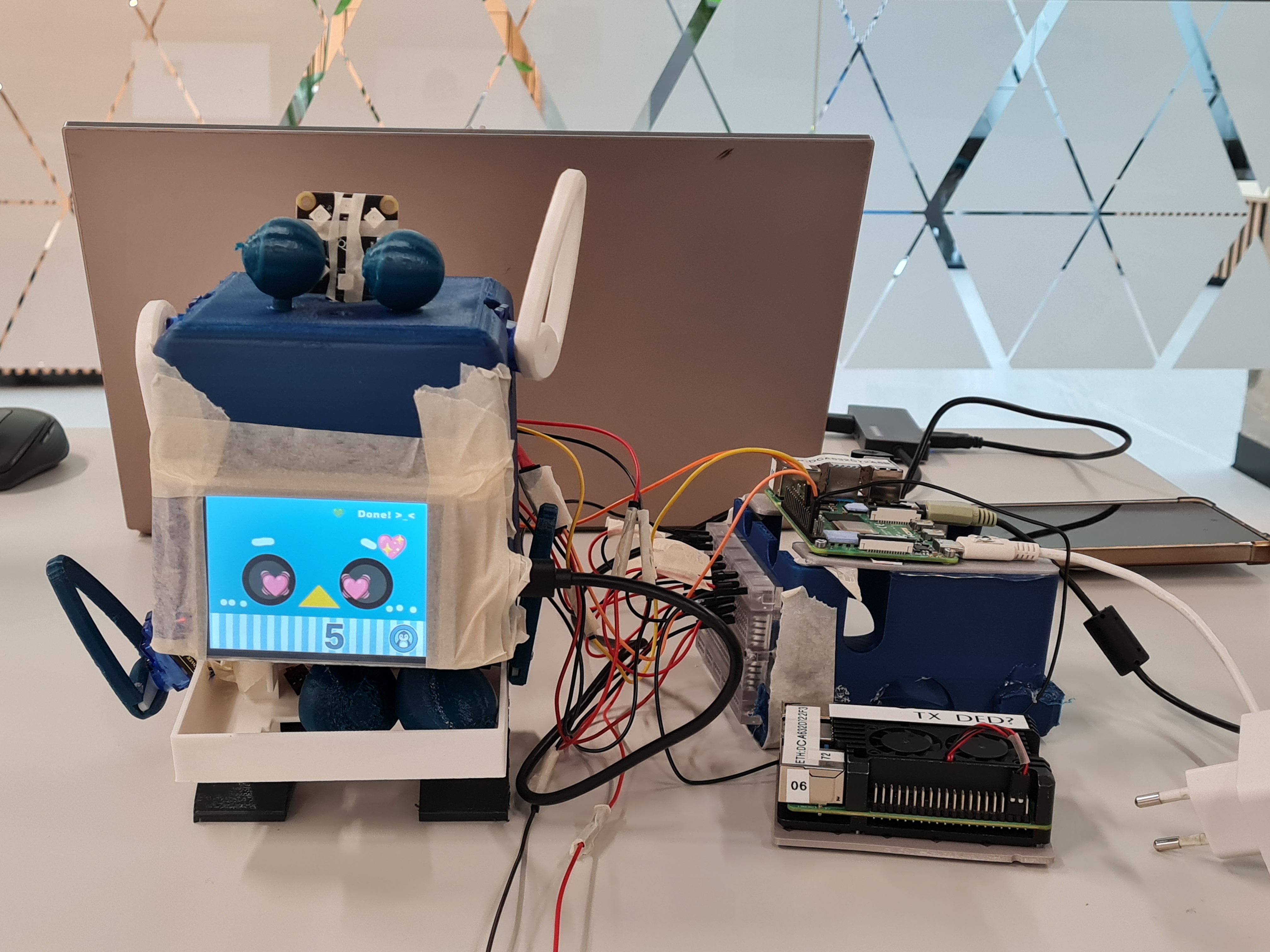
Explore the research prototypes developed by participants during the summer school.
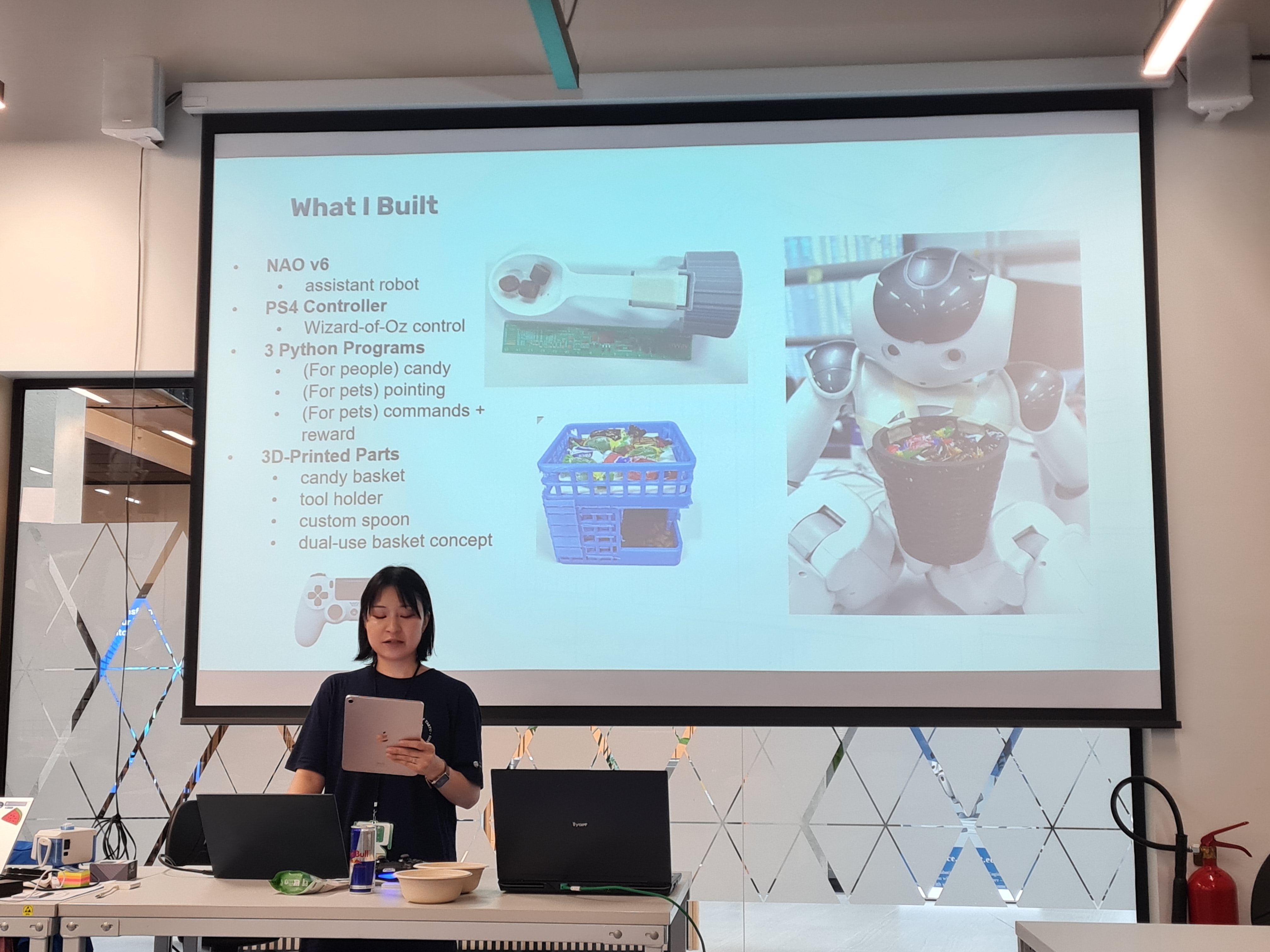
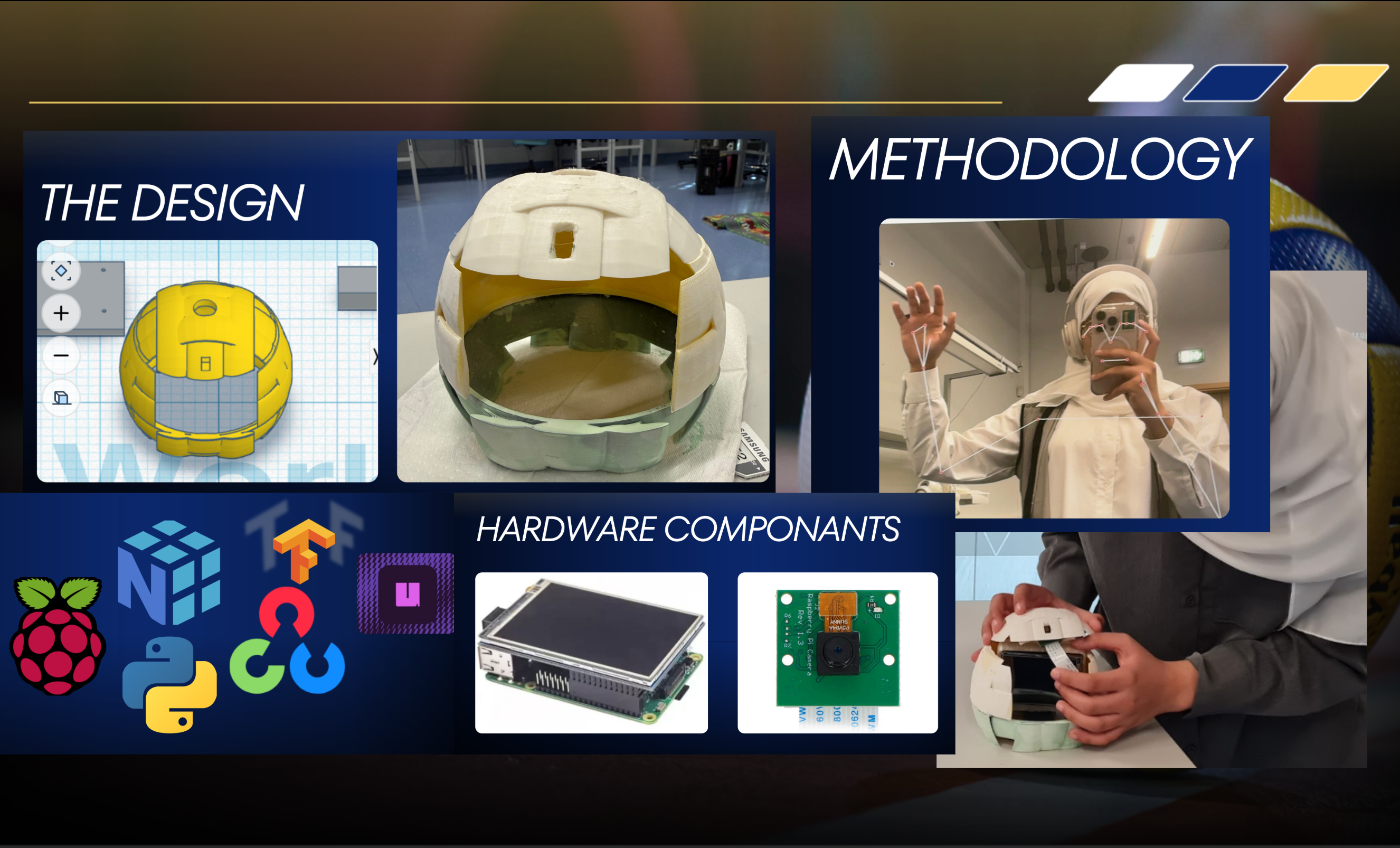
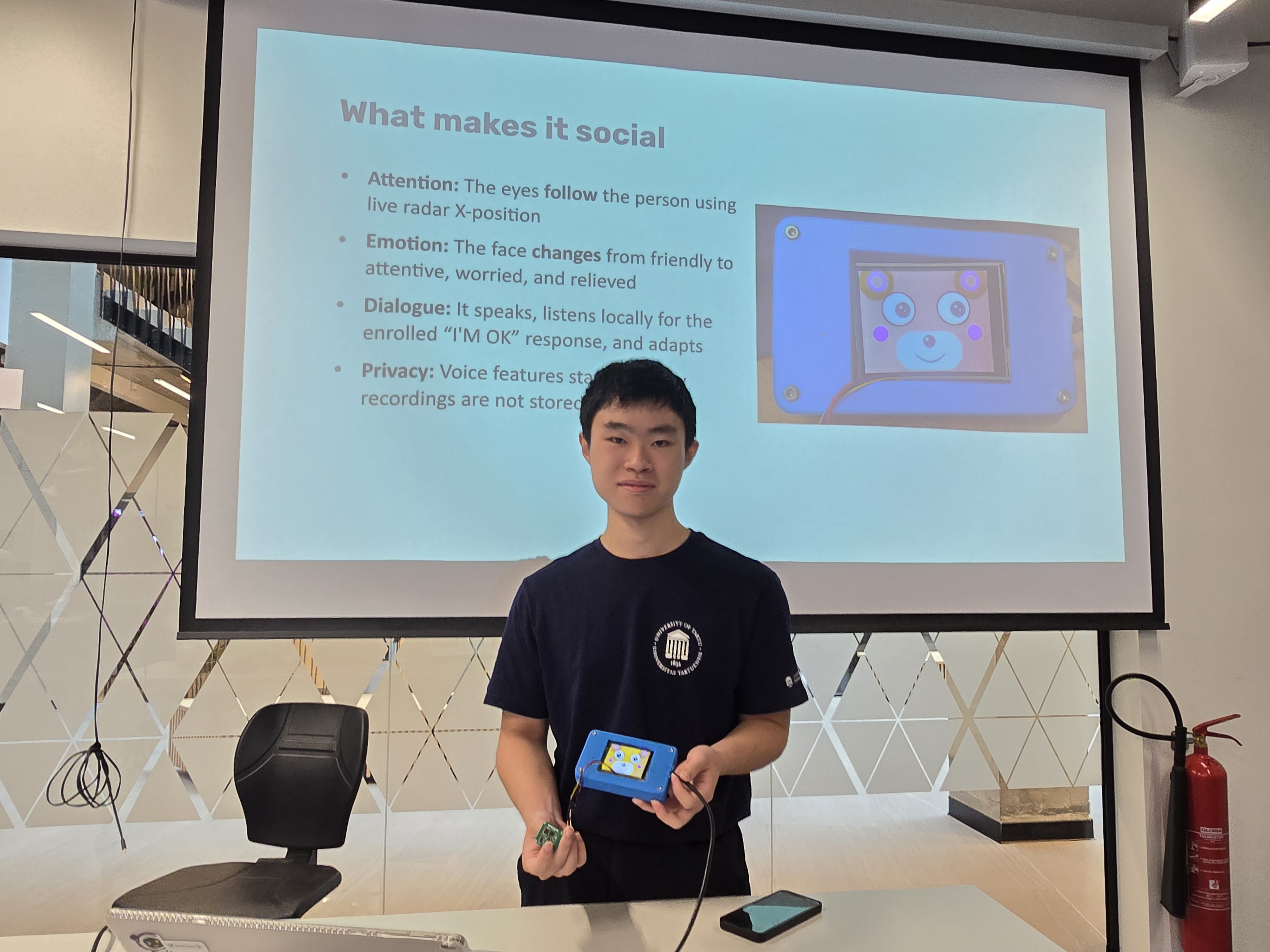
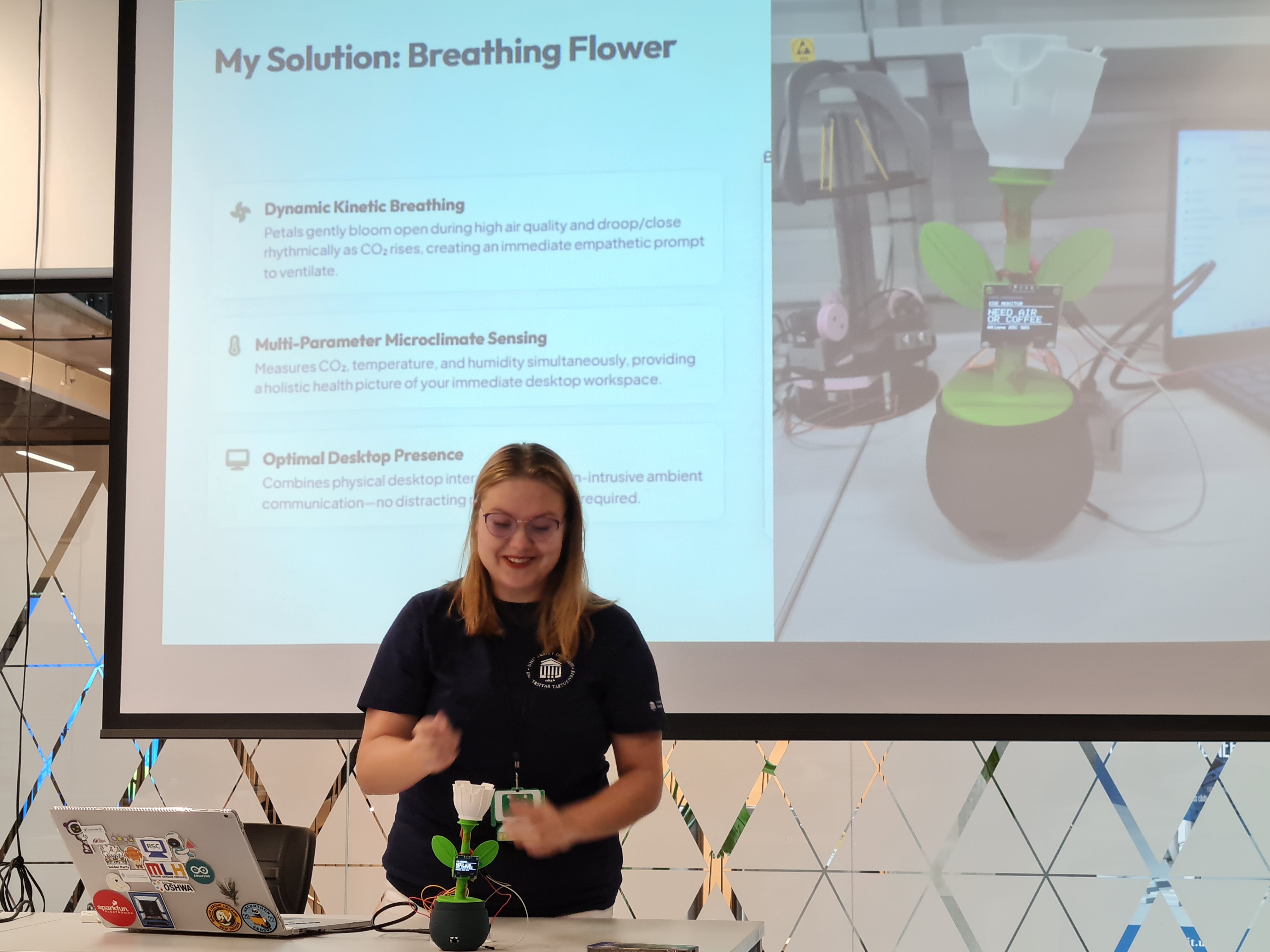
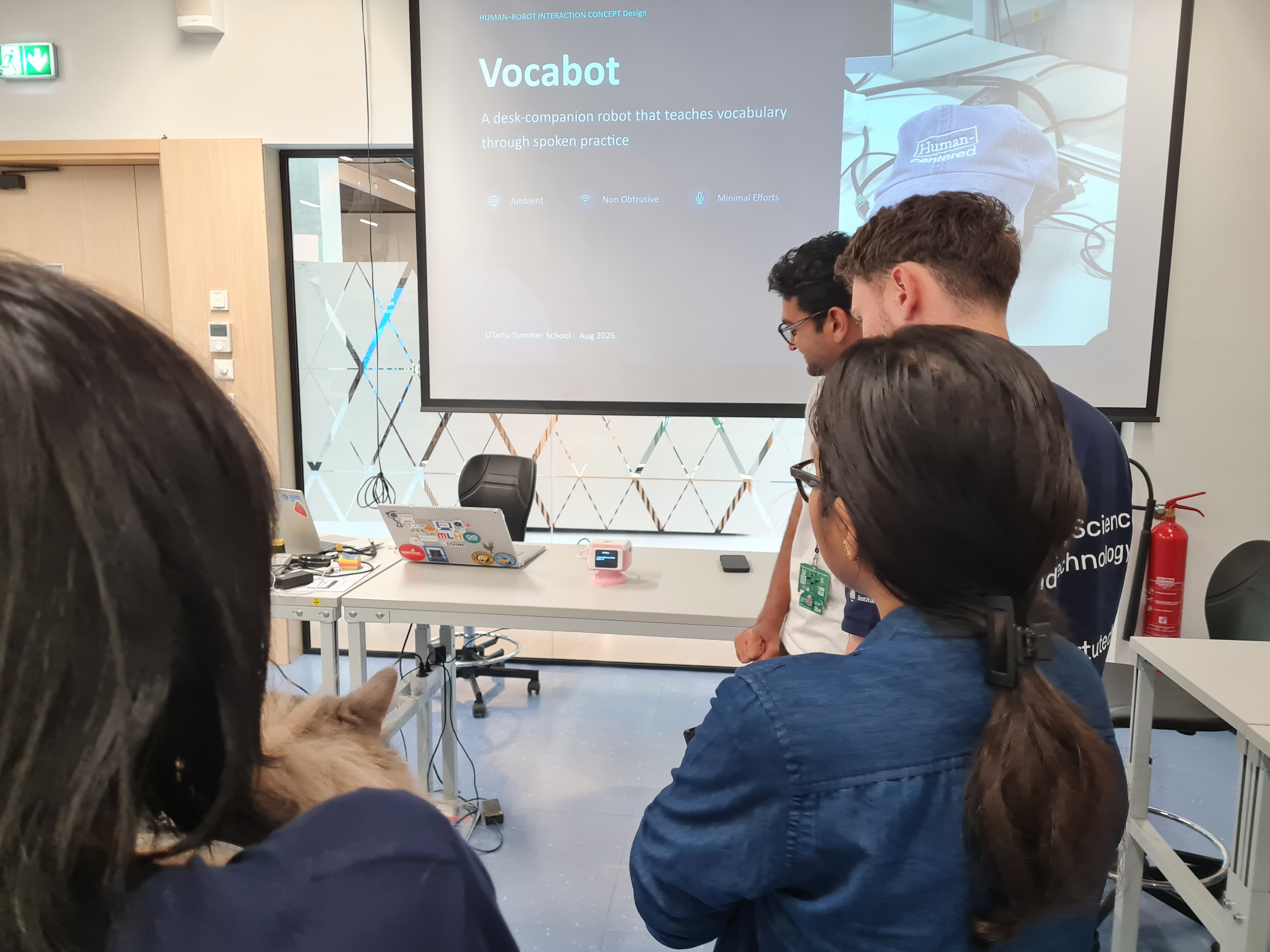
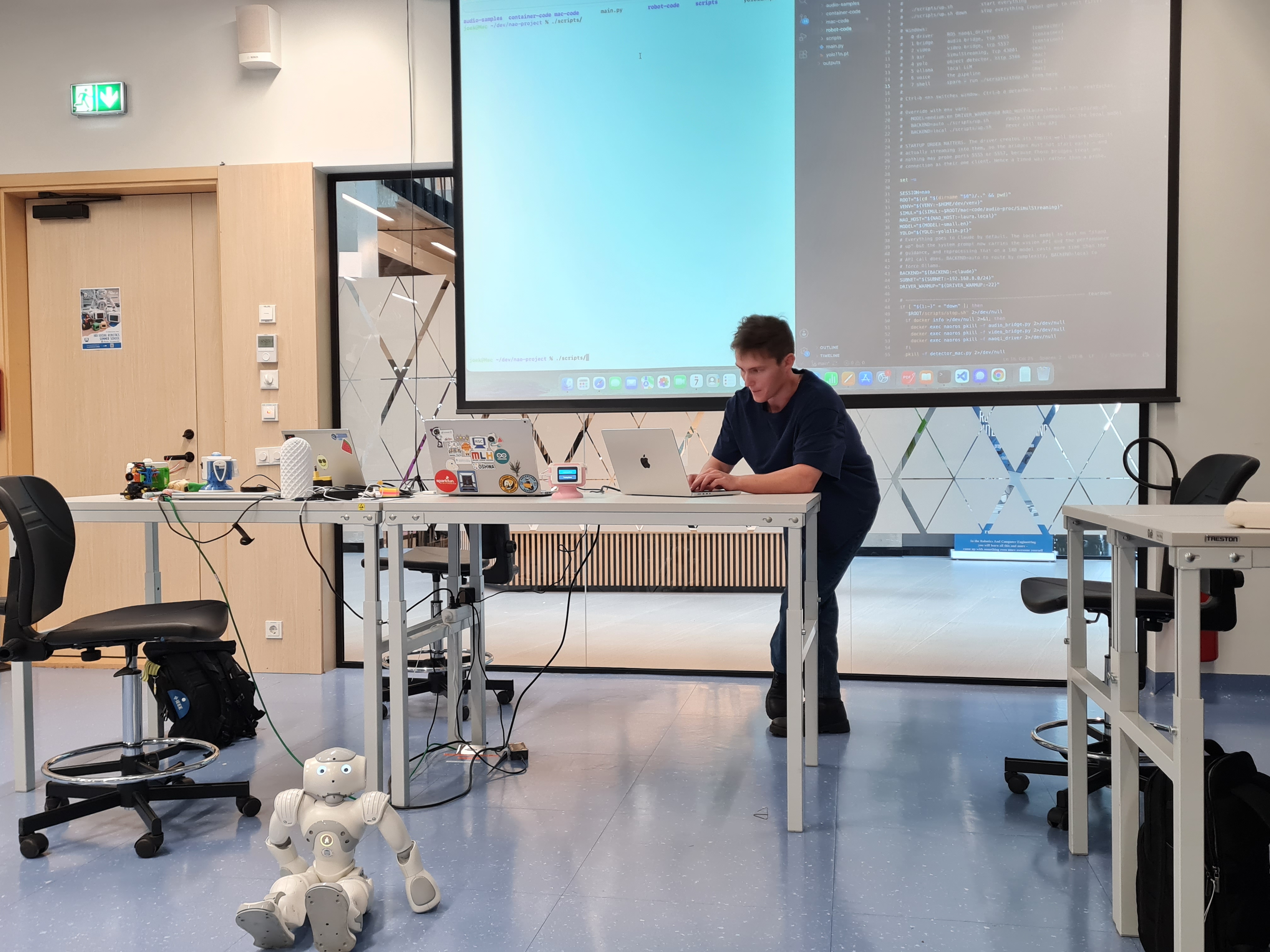
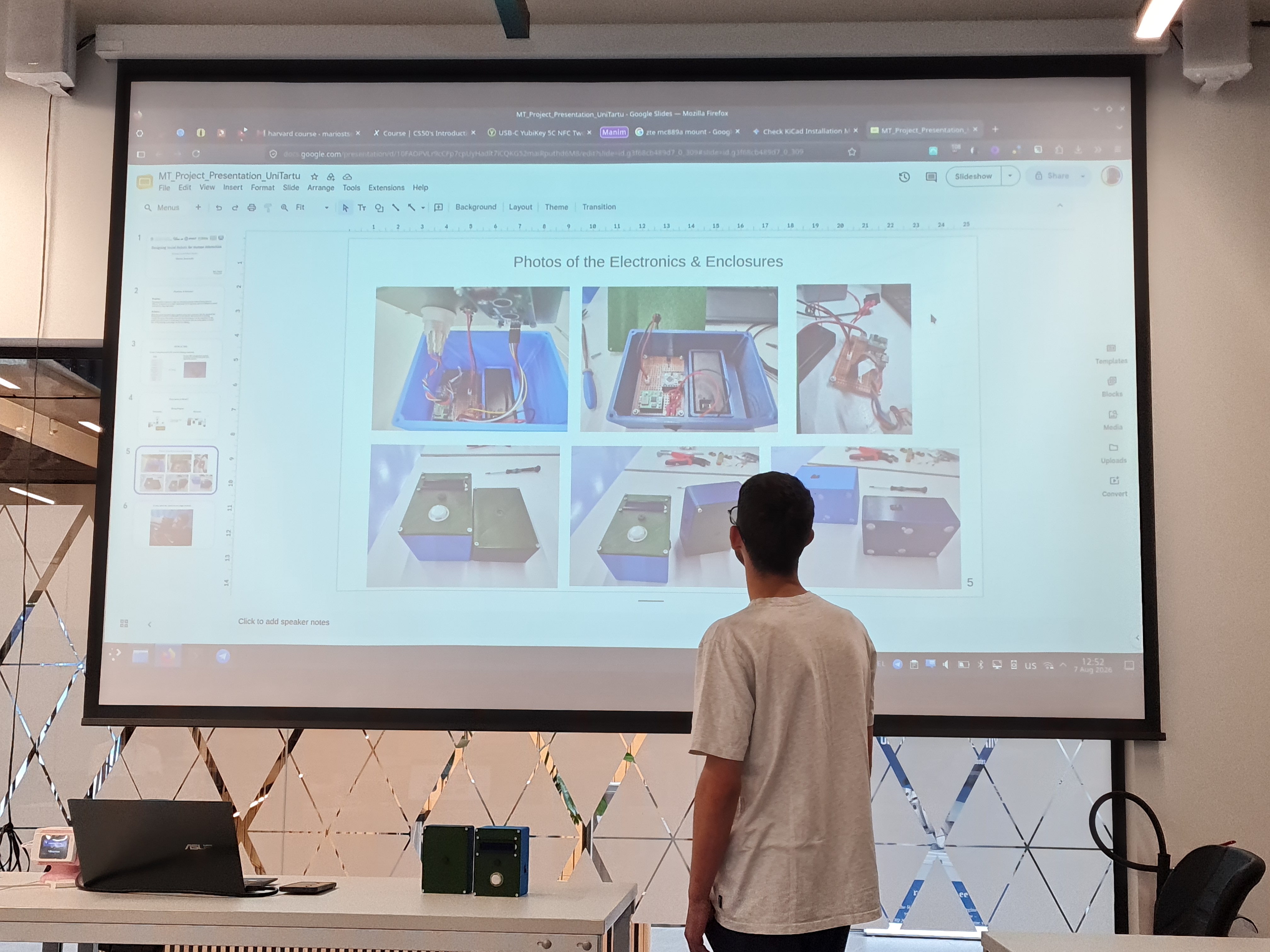
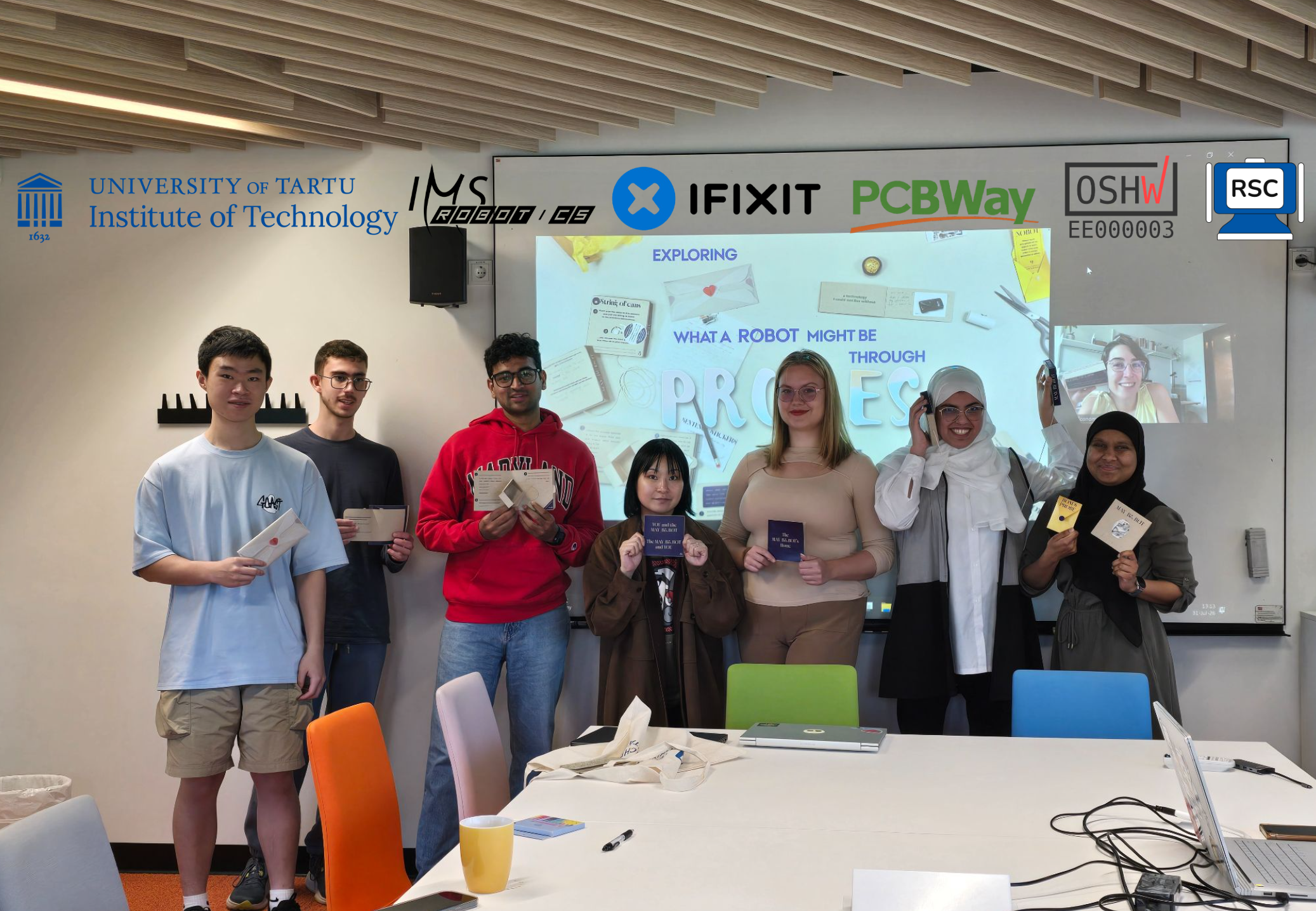
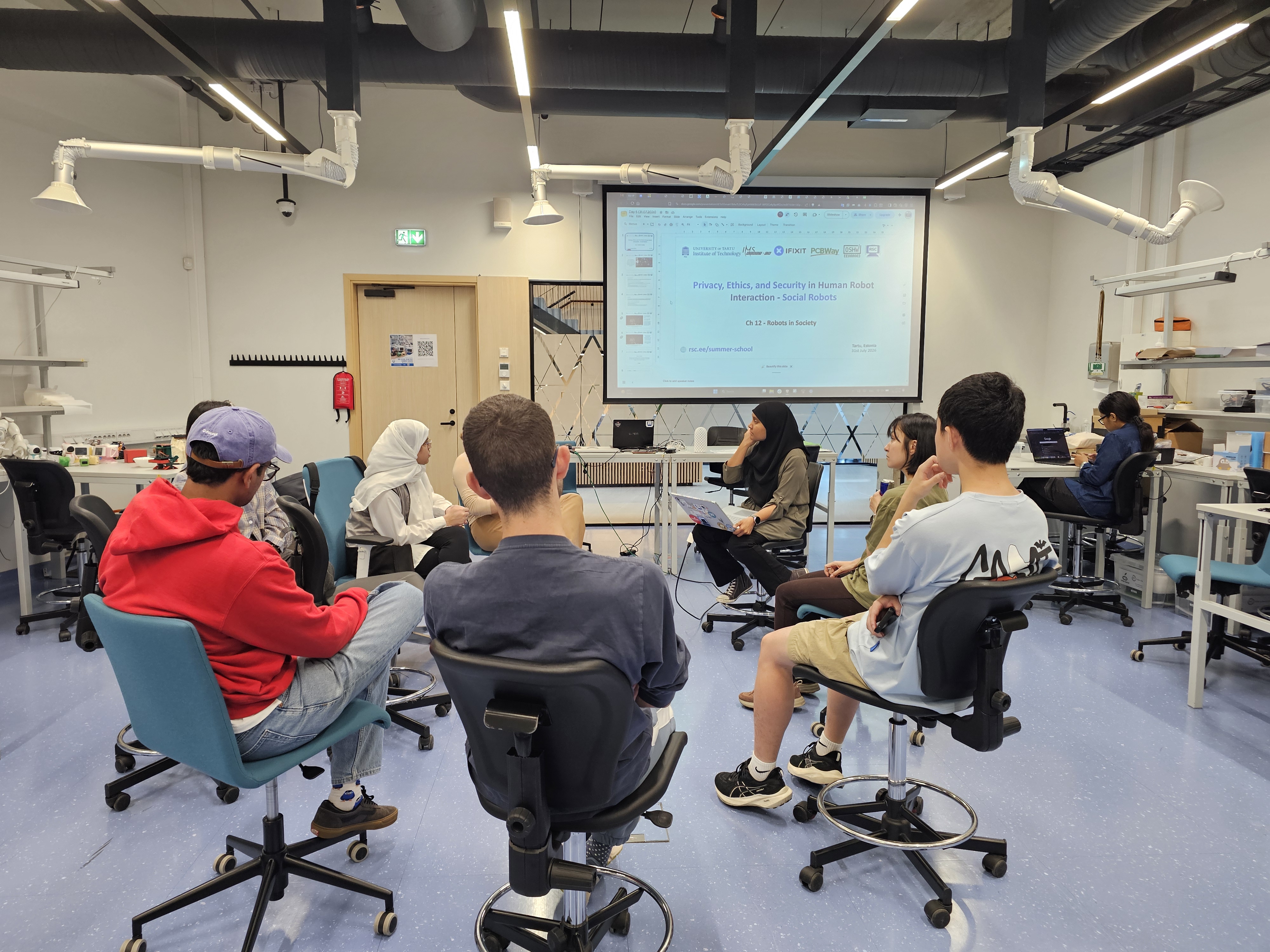
Highlights, talks, workshop activities, and lab sessions.